
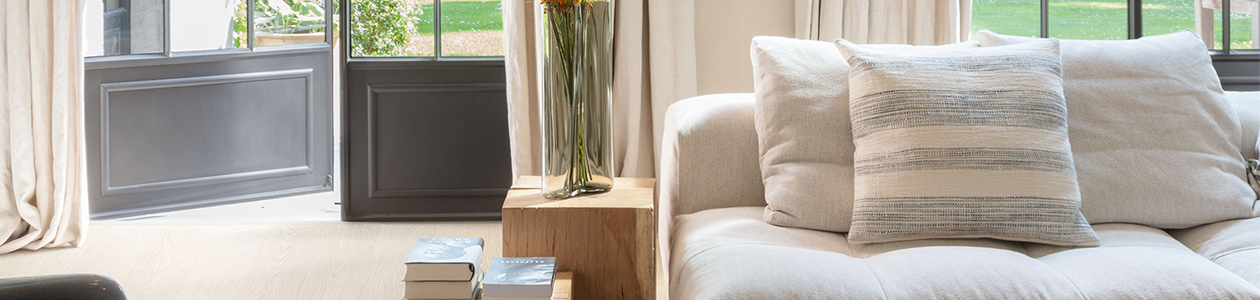
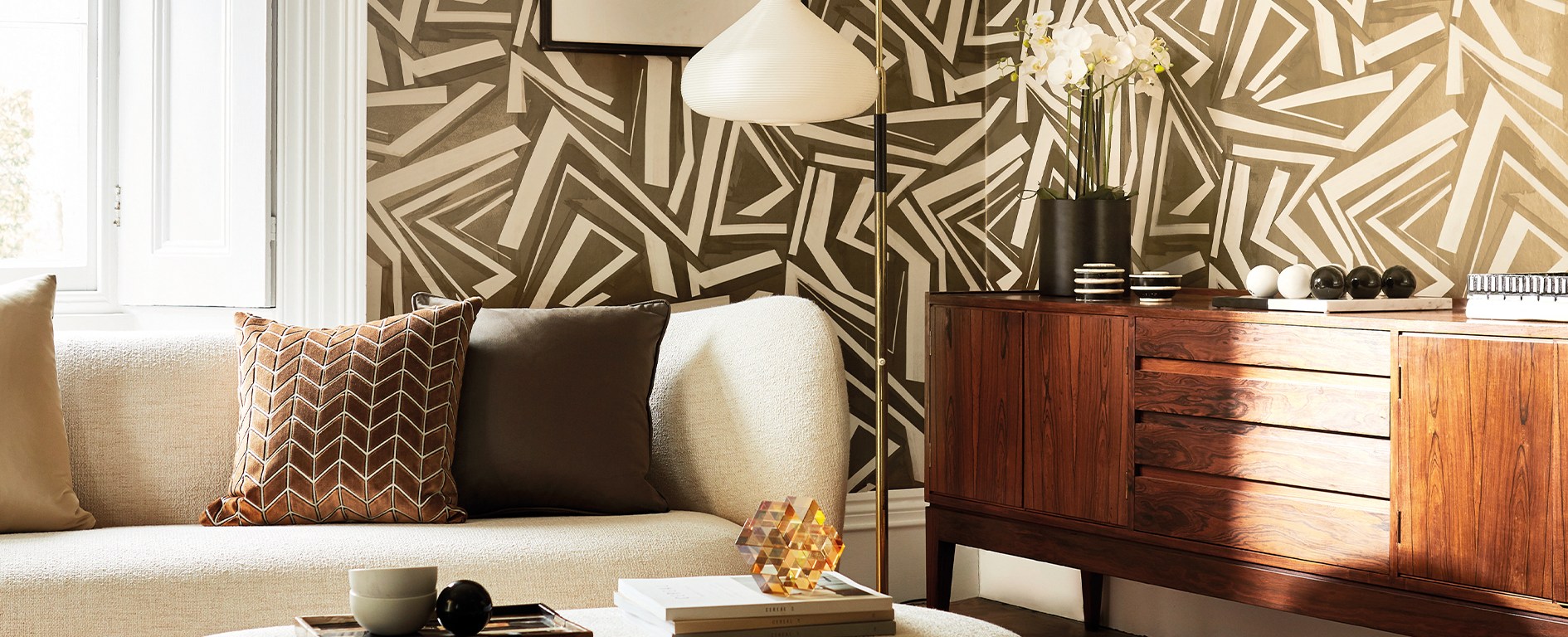
Main image 70s revival inspired fabrics and wallpapers from Harlequin, harlequin.design
The 1970s revival interior trend continues to capture attention for its irresistible blend of nostalgia, comfort and character. Loved for its relaxed energy and free-spirited aesthetic, this enduring style has evolved into a more polished, design-led version of its retro roots. It’s easy to see why the look remains so popular: the 70s brought warmth, creativity and a sense of individuality to interiors – qualities that resonate strongly in today’s homes. The modern revival celebrates that same spirit of self-expression, but with a more curated approach that balances vintage charm with contemporary design sensibilities.
The 70s revival look is the perfect blend of nostalgia and modern charm we crave at home. Kickstarted by the design industry’s love of brown tones (across fashion and interiors), it has slowly crept in, and we will surely see it hit with maximum impact in 2026. In interiors, this plays into a love of the bold and daring, toned down in shades that minimise any psychedelia. Whether discovered in perfectly aligned checkerboards or inspired by the more random architectural formations, geometries feel perfectly in tune with that 70s revival interior. Layer textures in fabrics such as plush velvets in greens and rust for a textural and balanced finish.” – Flora Daly, Lead Designer Harlequin
The 1970s was a transformative decade in interior design, characterised by experimentation, individuality and a break from mid-century restraint. A number of ground-breaking designers and tastemakers helped shape the decade’s iconic aesthetic, one defined by earthy palettes, bold geometry, tactile materials and a spirit of freedom.
David Hicks (UK)
A true visionary of his time, David Hicks brought glamour and boldness to interiors with his daring use of colour and pattern. Known for his geometric prints, contrasting textures and jewel-toned palettes, Hicks’s style moved British interiors away from the soft modernism of the 1960s into something more confident and eclectic. His influence can still be seen in today’s love of graphic rugs, lacquered furniture and the playful mix of classical and contemporary elements.
Verner Panton (Denmark)
A pioneer of futuristic design, Verner Panton blurred the line between furniture and interior architecture. His iconic curvilinear shapes, modular seating and saturated colour schemes, most famously seen in the 1970 “Visiona 2” installation, captured the decade’s sense of optimism and experimentation. Panton’s influence brought a sculptural, immersive quality to interiors, inspiring designers to treat rooms as complete environments rather than simply decorated spaces.
Joe Colombo (Italy)
Italian designer Joe Colombo epitomised the era’s fascination with modern living and multifunctional design. His modular furniture systems, such as the “Tube Chair” and “Elda Chair,” reflected a forward-thinking approach to comfort and flexibility. Colombo’s vision of adaptable, space-saving interiors anticipated the compact urban living trends of today, and his sleek plastic forms became symbols of 70s futurism.
Tony Duquette (USA)
American designer Tony Duquette embodied the 70s’ embrace of drama and fantasy. His interiors were rich with metallic finishes, exotic motifs and theatrical layering. Duquette’s fearless approach to decoration encouraged a generation to mix materials, cultures and styles with abandon, a hallmark of the decade’s expressive energy.
Together, these designers helped define a new design language for the 1970s, one that rejected conformity and celebrated self-expression. They introduced bold colour, organic form, and tactile luxury as key components of modern living. From earthy terracotta and avocado hues to futuristic plastics and sculptural lighting, their work blended natural comfort with cutting-edge innovation. The result was a look that was at once nostalgic and forward-thinking, a balance that continues to resonate in today’s interiors.
The Colours Defining the 70s Revival

At the heart of the 70s-inspired interior palette is a rich mix of earthy, sunbaked tones that evoke nature and comfort. Think deep terracotta, burnt orange, ochre, mustard, avocado green and warm chocolate brown, colours that instantly add depth and warmth to a room. These retro hues are often softened with creamy neutrals, soft beige or muted peach to create a more liveable, modern feel. Pairing these tones with natural materials such as wood, rattan and leather enhances the grounded, organic essence of the trend, while metallic accents in brass or bronze add just the right amount of glamour.
Blending Vintage Finds with Modern Design
The key to mastering the 1970s revival look lies in balance. Mixing genuine vintage pieces, such as a teak sideboard, sculptural armchair or smoked-glass lamp, with modern furniture and accessories keeps the aesthetic feeling fresh rather than theme-like. Upholstered pieces in tactile fabrics like velvet, corduroy or boucle offer comfort and texture, while clean-lined modern tables or minimalist lighting help to update the scheme. Incorporating a few statement accessories, such as abstract wall art, geometric rugs or ceramic vases, ties the look together. The result is a space that feels both nostalgic and new, a celebration of design heritage reimagined for contemporary living.
Plush textures, sculptural shapes and retro hues

Ivy Armchair, Ivory White Boucle £599 Cult Furniture cultfurniture.com
Upholstered furniture plays a key role in reinforcing the 1970s revival trend, bringing warmth, comfort and character to modern interiors. The decade’s signature look celebrated tactile materials and bold forms, which translate beautifully through plush seating and soft silhouettes. Think low-slung sofas in rich velvet, curved armchairs in boucle or corduroy, and statement upholstery in earthy tones such as ochre, rust and olive. These pieces anchor a space with a sense of retro glamour while maintaining a contemporary edge. Layered with shaggy rugs, wooden accents and graphic patterns, upholstered furniture helps capture the laid-back sophistication of the 70s, creating interiors that feel nostalgic yet effortlessly current.
What’s next for 70s Revival?
The next wave of 70s revival trends is set to be more refined, sustainable and design-led, a thoughtful evolution of the decade’s iconic aesthetic rather than a nostalgic replica. Where the first resurgence leaned heavily on colour and texture, the upcoming interpretation focuses on craftsmanship, longevity and subtle retro references woven into contemporary living spaces.
Expect to see warmer neutrals and sunbaked tones replace the saturated oranges and browns of the past, paired with natural materials such as walnut, travertine, cork and boucle. The mood is earthy yet elevated, less bohemian, more boutique. Curved forms and low profiles will remain central, but with updated proportions and luxurious finishes that feel tailored rather than overtly vintage.
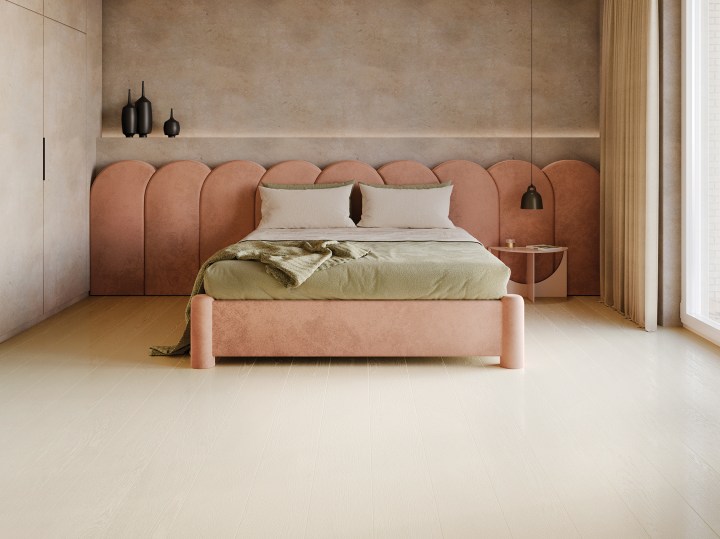
Woodline, Uniwood 06 cushion vinyl from £25.99 per m2 Leoline, leoline.co.uk
Sustainability will also define this next chapter. Designers are increasingly turning to reclaimed materials, upcycled furniture and artisan-made pieces that echo the 70s appreciation for handcraft while meeting modern eco-conscious values. Think bespoke joinery, reupholstered classics and timeless lighting reissued for the modern home.
In essence, the future of the 70s revival is about quiet confidence. It celebrates the sensuality and warmth of the original era but reimagines it through a minimalist, sustainable lens, a look that feels lived-in, intelligent and enduring.
If you enjoyed reading this, you may like The Timeless Comeback
 interior design inspiration and news
One thought on “70s Revival Interior Design Trend”
Comments are closed.