
A rustic kitchen brings warmth, character and a sense of authenticity into the heart of the home, making it a popular choice for homeowners who value natural materials and enduring design. Rooted in traditional craftsmanship and organic textures, this style continues to be one of the most searched kitchen trends in the UK, thanks to its ability to feel both comforting and refined. Whether you live in a countryside cottage or a contemporary property, rustic kitchen design can be adapted to suit a wide range of interiors.
Natural Materials as the Foundation
At the core of any rustic kitchen is the use of honest, natural materials that bring warmth and texture into the space. Solid wood plays a central role, with oak, reclaimed timber and pine being popular choices due to their visible grain and natural imperfections. Stone worktops, slate or flagstone flooring and natural clay tiles further enhance the organic feel, creating a kitchen that ages gracefully while developing character over time.
Warm and Earthy Colour Palettes
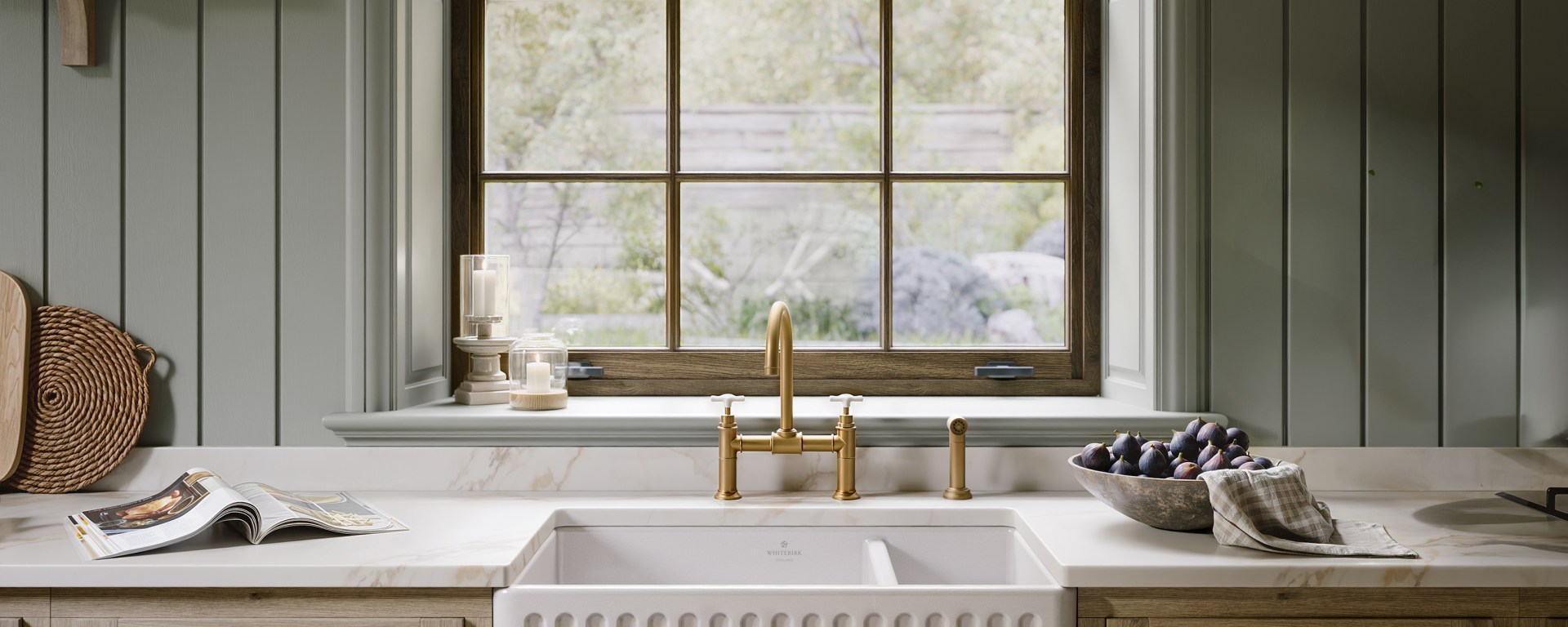
Rustic kitchen colour schemes are typically inspired by the natural world, helping the space feel calm, grounded and inviting. Soft creams, warm greys and muted greens form a versatile base, while deeper shades such as navy, terracotta and rich brown can be introduced to add depth and contrast. Glossy finishes are usually avoided, as matte and softly textured surfaces better support the relaxed and lived-in aesthetic of a rustic kitchen.

Traditional Cabinetry and Open Shelving
Cabinetry in a rustic kitchen often leans towards traditional designs, with shaker-style doors being a timeless and practical option. Their clean lines and subtle detailing strike a balance between classic and contemporary, making them easy to style. Open wooden shelving can also be introduced to break up cabinetry, allowing everyday items such as ceramics, cookware and glassware to be displayed in a way that feels informal, functional and welcoming.
Layered Texture and Handcrafted Details
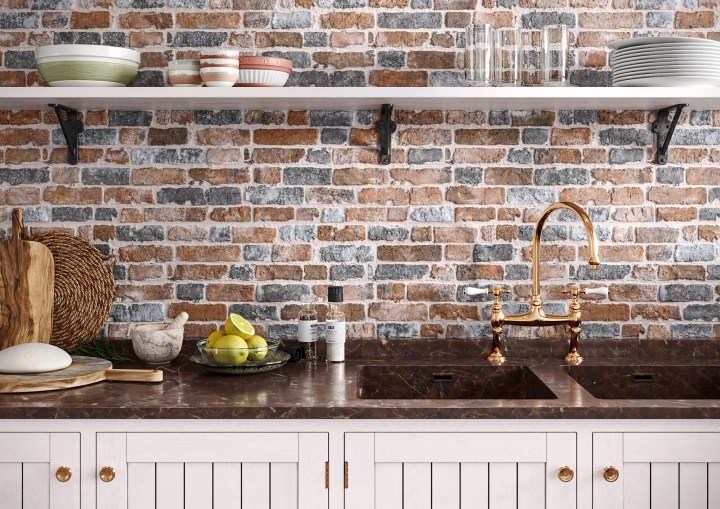
Texture plays a vital role in creating depth and visual interest within a rustic kitchen. Features such as exposed wooden beams, brick walls or natural stone surfaces help reinforce the sense of craftsmanship and heritage. Smaller details also make a significant difference, with handmade tiles, aged metal finishes and traditional hardware adding a sense of individuality. Materials such as wrought iron, brushed brass and antique-style fittings work particularly well in enhancing the rustic look.
Soft, Considered Lighting
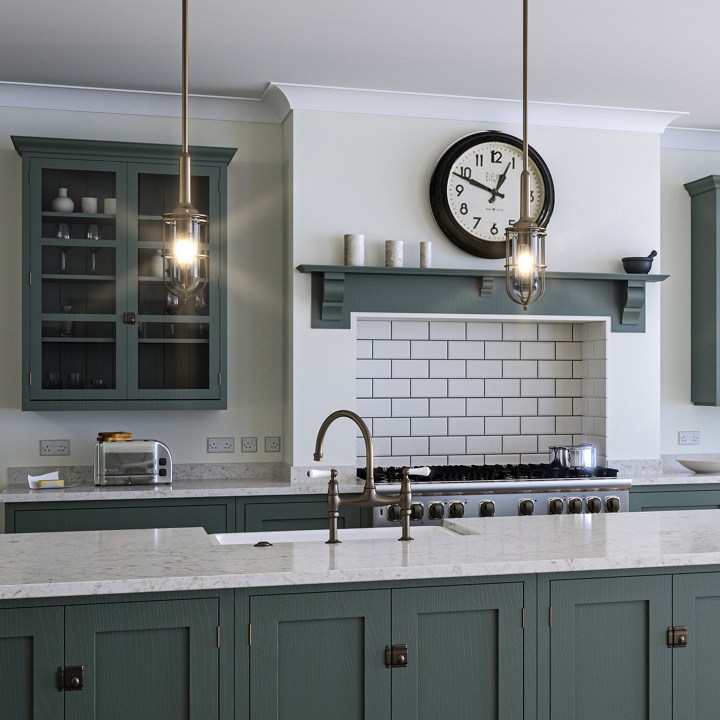
Lighting in a rustic kitchen should support the overall warmth of the space rather than overpower it. Pendant lights with metal, ceramic or glass shades are well suited to kitchen islands and dining areas, while warm-toned bulbs help create a softer atmosphere. Additional lighting through wall fixtures or under-shelf lights can be used to add gentle layers of illumination, ensuring the kitchen feels welcoming throughout the day and into the evening.
Why Rustic Kitchens Continue to Endure
The enduring appeal of the rustic kitchen lies in its ability to combine comfort, practicality and timeless design. It offers a space that feels both functional and personal, adapting easily to modern living while retaining its traditional roots. By focusing on natural materials, thoughtful colour choices and carefully selected details, a rustic kitchen can become a lasting feature of the home, designed for cooking, gathering and everyday life.
If you enjoyed reading this, you may like Five Top Carpet Colours to Transform Your Home in 2026
 The Nook Edit